Skip to content
Morrow IntegrationAI audits & systems

Before you automate anything, someone has to draw how your business runs today.

I walk through your operation step by step, with the people who actually do the work, and hand you the map of how it really runs, where the hours go, and what is worth automating first. The audit doesn't install anything, so the document says what's true, not what would be convenient to sell you afterwards.

For
Businesses of 3 to 20 people
Delivered in
10 to 15 days
The audit
$2,499, fixed price
Languages
English and Spanish
Phone call WhatsApp Notebook Excel Quote Invoice QuickBooks Paid

How the process runs today, as told on the first call.

Five steps. At the end, the document is yours.

No slide decks about the future of artificial intelligence. What comes out of this can be executed by your team, by a third party, or by me. Watch the map as you read.

  1. First call, then the questionnaire

    Free. About half an hour.

    You tell me what the company does and where it hurts. If I don't think the audit will pay for itself, I say so on the call. Then eight questions, five minutes, and a written proposal with fixed scope and price. The clock starts when both are done.

  2. I draw the real processes

    Week 1.

    The four areas, step by step, with the people who do the work. Not the version in the manual and not the one told in the office. Each process comes back as a diagram you review with me.

  3. I fix the process before touching technology

    Week 1 to 2.

    Friction, bottlenecks, steps nobody needs, and who does what. A good share of the improvements need no software at all, and they come first.

  4. I find where automation and AI pay off, and check that each one is safe

    Week 2.

    Your current stack and what it costs you. Every candidate weighed against what it saves and what it costs to build, and AI only where it makes sense. For each implementation I propose: what access it needs, what data it touches, who it depends on, and whether it can be switched off fast. If it isn't safe, I don't propose it.

  5. You get the roadmap and choose who builds it

    Day 10 to 15.

    What to do, in what order, and why that order. Your own team, a third party you trust, or me. The document works the same in all three cases, and that's the whole point of it.

Who does your paperwork today, and with what?

It's the first question I ask every business, because the answer says more than any org chart. If it's one person, by hand, every day, this audit is for you. Here is why most automation projects stall before they get there.

  • The tool came before the problem Someone buys a platform first, then goes looking for something to use it on. The pilot works, the demo looks great, and nothing in the company changes.
  • Nobody drew the process You can't automate what nobody has written down. Most of the waste sits in the steps between one program and the next, and that's the part no vendor looks at.
  • The advice came from whoever sells the tool When the same company that audits you also resells the software, the audit already knows its answer before it starts.

One document first. Then, only if it pays off, the build.

Everything starts with the audit, because without it the rest is guessing. What happens afterwards is your call, with the document already in your hands.

1. Start here

Morrow Audit

$2,499 fixed scope, fixed price

I go through the company end to end, across four areas, and hand you a document your team can execute. Nothing gets implemented at this stage. That's deliberate: it's what keeps the roadmap honest.

For: the owner who already has customers and revenue but still runs the administration by hand. Delivered 10 to 15 days after the signed proposal and the answered questionnaire, whichever comes last.

  • A process map of the four areas, drawn as it really runs (BPMN) and reviewed with you
  • The fixes that need no technology at all: friction, bottlenecks, steps nobody needs
  • Where automation and AI actually pay off, ranked, with the discarded options named
  • A vulnerability study of each implementation I propose: what access it needs, what data it touches, who and what it depends on, and whether it can be switched off fast
  • A prioritised roadmap: what, in what order, and why that order. It's yours, whoever executes it
2. Afterwards, if you choose to

Implementation

Quoted per scope after the audit

If you decide to build what the roadmap put first, I quote it once we both know what it is. Quoting it before that would be guessing, and you'd be the one paying for the guess.

  • Custom software fitted to your process: a light CRM or ERP for customers, work orders, invoicing and payments
  • Automations with n8n and a WhatsApp agent, built on the tools you already use
  • Training for your team and accompaniment until it's in daily use
  • First automation in production within 2 to 4 weeks of signing
  • 50% of what you paid for the audit is credited toward the build, up to $1,250, if you decide within 30 days of delivery

For: businesses that want the first step built and working, not just planned.

3. If you have a technical team

Team training

$6,500 complete program

Your team knows what it wants to implement. It doesn't know how yet. I close that gap with your people, live.

  • Live sessions with your technical team, as a group
  • Built around your stack and your real cases, not toy examples
  • Not an online course. There is no video library to hand you.

For: companies with an in-house technical team.

Four areas, and the same question in all four.

Which part of this is one person doing by hand, every day, because there was never time to fix it? And what's already automated, and what does it cost you?

Marketing

The flow, not the creative. How a lead comes in, where it comes from, what happens in the hours after, and how many are lost in that gap.

What usually shows up: leads with no follow-up, inconsistent messages, no way to trace where a customer came from.

Sales

Conversion and control. What happens when a lead comes in, who contacts them, whether there's a pipeline and a follow-up.

What usually shows up: quotes that take days to go out, deals lost in silence, everything depending on one person's memory. If sales is broken, nothing else matters yet.

Delivery and fulfillment

How the service gets delivered: who does what, what's manual, where the delays are, and how many times the same thing gets typed between the job closing and the job being paid.

What usually shows up: undocumented processes, bottlenecks, the same errors repeated. This is where the big opportunities usually live.

Administration

Where the information lives, who has access to it, how the business is controlled and how it's reported.

What usually shows up: scattered data, duplicated records, invoices that go out late, and nobody with a real picture of what's in and what's owed. The most forgotten area, and the critical one.

First fix the process, then automate it. Automating a broken process only makes it worse, and a good share of what I find needs no technology at all.

The number is here, not behind a call.

Of the consulting firms I reviewed in this market, most don't publish a price. They make you book a call to find out whether the conversation is about three thousand or eighty.

Morrow Audit$2,499
Fixed scope and fixed price, agreed in writing before work starts, and it doesn't move afterwards. The four areas, the roadmap, the vulnerability study of what I propose. Nothing gets implemented.
ImplementationQuoted per scope
Priced once the audit has told us what the first step is. 50% of the audit is credited toward it, up to $1,250, if you decide within 30 days. Half on signing, half on delivery. Subscriptions, hosting and AI usage stay in your own name.
Team training$6,500
The complete program for your team. Not a price per head and not a price per session.

Prices in US dollars. What you pay is agreed in writing before the work starts, never after. Full conditions are in the terms of service.

What I sell, I use.

The method didn't come out of a slide deck. It came out of running a small operation by hand, and then drawing it.

The first business audited with this method was mine.

ApexRoute Dispatch, a freight dispatch operation I founded and ran: five drivers and, every day, the same paperwork between brokers, carriers and documents, copied from one platform to the next. That's where I saw the problem this audit fixes, and where I tested how to draw a process before touching it. Morrow itself is being audited with the same method.

What you can check before hiring me: the complete method, step by step, is above. The exact list of what you get, too. The price is published. And the first call is free, so you can judge how I ask before paying for what I find.

An air-conditioning contractor

Founding case. In progress.

The first complete walk-through of another company: a field-service contractor with one person carrying the administration, from quote to payment. Done in exchange for documenting the method end to end.

Measured results: this space is empty on purpose. The hours and days recovered go here once they're measured against the starting point, not before. If you ever see a figure on this page, it's because it was delivered.

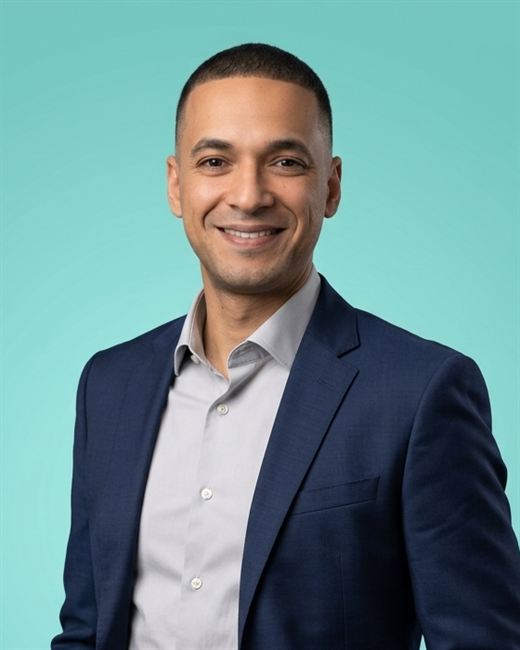
Mounir Hadi Guerra, founder of Morrow Integration

Mounir Hadi Guerra

Founder, Morrow Integration LLC

The call, the walk-through, the interviews with your people and the final document are all done by the same person. There's no account manager in between and nobody junior signing under someone else's name.

That's exactly why the work fits businesses of 3 to 20 people: at that size, the operation can be understood by talking to six people and watching what they do. You don't need a team of consultants. You need someone who sits down and looks.

I work in English and Spanish, both fully: the calls, the interviews and the document.

My profile on LinkedIn

  • Specific, not generic

    What I bring is specific to your information and your implementations. Generic AI advice is free and everywhere, and it's the reason most pilots die at the demo.

  • I don't resell what I recommend

    The audit doesn't implement, and I don't resell tools. So the roadmap has no reason to recommend something because it's convenient for me. And I never propose replacing the software you already use: I integrate with it.

  • Training, not courses

    I don't sell online courses. I train your team live, as a group, on your systems and your real cases. There's no video library, because a video library has never shipped anything.

The questions people actually ask.

Do you implement what you recommend?

Not inside the audit, and that's the point. If afterwards you want me to build the first step, that's the implementation, quoted separately, and you decide with the document already in hand. You're equally free to take it to your own team or to another firm: it's written to work in all three cases.

Are you going to tell me to replace the software I already use?

No. The plan is built on top of what you have. If a tool genuinely can't do what you need, I say so with the reason in writing, but the default is always to integrate, never to replace.

When am I too small for this?

The work is built for businesses of 3 to 20 people. Below that, there's usually no hand-off between areas to map, and the audit would cost more than the problem it finds. I tell you on the first call, not after the invoice.

Do we have to be in Oklahoma?

Oklahoma City is where I'm based, and the walk-through works best when I can come in person. But the work is done remotely just as well, in the United States, Latin America and Spain.

How long does it take?

Ten to fifteen days from the moment the proposal is signed and the questionnaire is answered. If for any reason it's going to take longer, you know before we start, not halfway through.

How do we start?

Write to me or call, and tell me what the company does and who does the paperwork today. The first call is free and nothing needs preparing. If you would rather write first, the questionnaire is eight questions and five minutes.

Request the audit

Tell me what the company does and who does the paperwork today. The first call is free, it takes about half an hour, and you don't need to prepare a single document.

Write to me here

Four fields. Sending opens your own email program with the text already written, so you see exactly what goes out.

Nothing is stored on this page. I reply within 24 business hours.

Or reach me directly

Based in Oklahoma City, Oklahoma. Remote work in the United States, Latin America and Spain. The WhatsApp button opens WhatsApp, a third-party service with its own privacy policy. Calls and texts go to the number above; standard message and data rates from your phone company may apply, and I never send promotional messages to anyone who contacts me. What I do with whatever you send me is set out in the privacy policy.